
If you’ve spent any time on social media lately, you’ve probably heard people raving about peptides. They’re being promoted as the next big thing for weight loss, anti-aging, muscle building, longevity, and even healing injuries.
But what exactly are peptides—and should you be taking them?
I recently sat down with hormone expert Dr. Shawn Tassone to separate the science from the hype, and one thing became very clear: peptides are incredibly powerful, but they’re also one of the most misunderstood topics in medicine today.
So what are peptides?
Think of peptides as tiny chains of amino acids—the building blocks of proteins. Their job is to act as chemical messengers, sending signals that tell your cells what to do. In many ways, they’re like text messages traveling throughout your body.
The important thing to remember is that peptides aren’t automatically “good” just because your body naturally makes some of them. Insulin is a peptide. Growth hormone is a peptide. GLP-1 is a peptide. These molecules have powerful effects, and too much—or the wrong peptide at the wrong time—can potentially cause problems.
So why all the controversy?
Much of it comes down to marketing versus evidence.
Influencers often describe peptides as “natural,” implying they’re automatically safe. But natural doesn’t always mean harmless. The real question isn’t whether a peptide exists in your body—it’s whether adding more of it is beneficial, necessary, or even safe.
Many of the peptides being promoted online have exciting laboratory or animal research behind them, but very little high-quality research in humans. That means we simply don’t know their long-term benefits—or their long-term risks.
What about regulation?
This is where things become especially confusing.
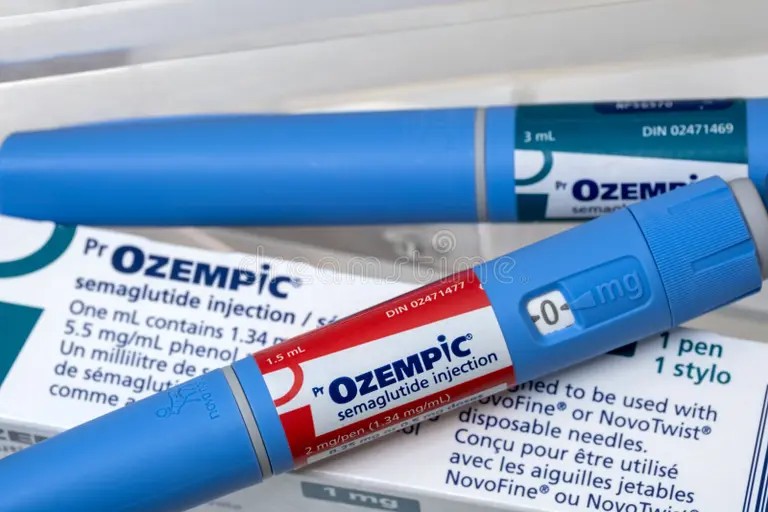
A small number of peptides have gone through rigorous clinical testing and received FDA approval for specific medical conditions. The best-known examples are the GLP-1 medications such as Ozempic/Wegovy (semaglutide) and Zepbound/Mounjaro (tirzepatide). These medications have transformed the treatment of obesity and type 2 diabetes, as I’ve written about in my newsletters before.
But those medications are the exception—not the rule.
Most of the other peptides being advertised online have not gone through the same level of testing or regulatory review. While some show real promise, others are being marketed far ahead of the available evidence.
That’s why it’s so important to separate hope from proof.
So when someone recommends you take a peptide for whatever reason, approach it with skepticism. Some controversial peptides today might turn out to be the next Ozempic, while others could actually create health problems for you.
Want to learn more about what specific peptides do? On my latest podcast, Dr. Tassone and I go over the science (or lack thereof) of various popular peptides, including:
- Tesamorelin– FDA approved for reducing visceral fat
- MOTS-C– Longevity peptide
- BPC-157– Believed to speed healing
- GHK-Cu– Copper peptide used in aesthetics
- Melanotan– Trendy but controversial tanning peptide
- And more!
If you find the subject of peptides interesting, then you must listen to this episode! It’s called The Truth About Peptides: Which Ones Work and Which Could Be Dangerous?
To listen on Apple devices, click HERE. To listen on Spotify, click HERE.